a hand in hand parenting tool
playlistening
Use play and laughter to ease upsets, build cooperation, and grow closer to your children. A practical collection of ideas from Kate Orson.
explore play ideas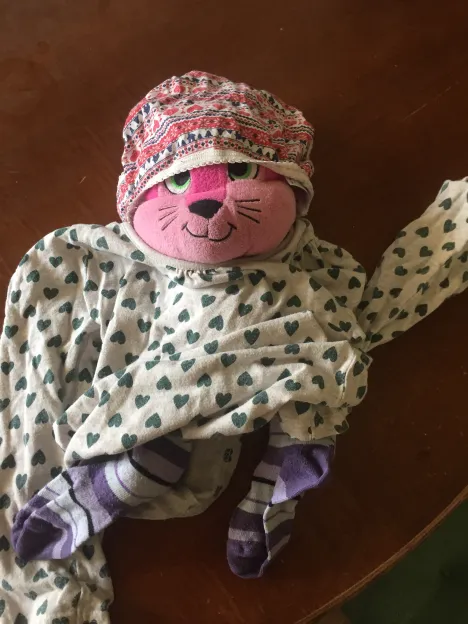
why play
play is a child's way of
saying what they need
When words are too small for big feelings, play gets bigger. Playlistening is the practice of joining your child in laughter so the tension drains away and cooperation returns.
It turns the everyday power struggles over getting dressed, sharing toys, or bedtime into moments of connection instead of conflict.
more on the blogwhat you'll find
ideas for everyday upsets
The Playlistening collection gathers playful approaches parents can try with young children, focused on connection before correction.
healing separation
Using play to soften clingy moments and ease goodbyes, with games that build confidence.
laughter as a tool
Light, silly games that release the tension behind stubbornness, hitting, and daily battles.
cooperation games
Turning brushing hair, getting in the car, or teeth-brushing into a shared game rather than a struggle.
try this at home
simple ways to begin
- Pick a small daily struggle and turn it into a slow-motion game your child "wins."
- Use a soft, exaggerated voice so the moment tilts toward laughter instead of tears.
- Let your child take the lead; follow their cues before adding your own twist.
- Keep it short. A minute of connected play often outlasts an hour of reminders.
- End on a high note, before either of you is tired of the game.
a reminder
Playlistening works alongside Listening Time, Special Time, Staylistening, and Setting Limits as one of the Hand in Hand Parenting tools explored on this blog.
go deeper
read & listen further
Browse related Hand in Hand resources to support a playful, connected home.
- Start with Listening Time when emotions run bigger than giggles.
- Pair play with short Special Time windows each week.
- Use Staylistening when tears arrive mid-game.
- Return to Setting Limits with a lighter, playful tone.